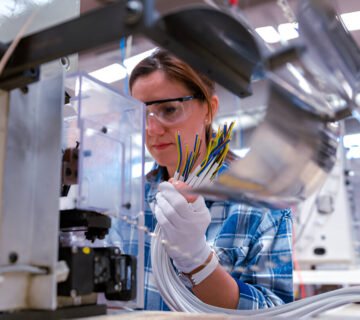
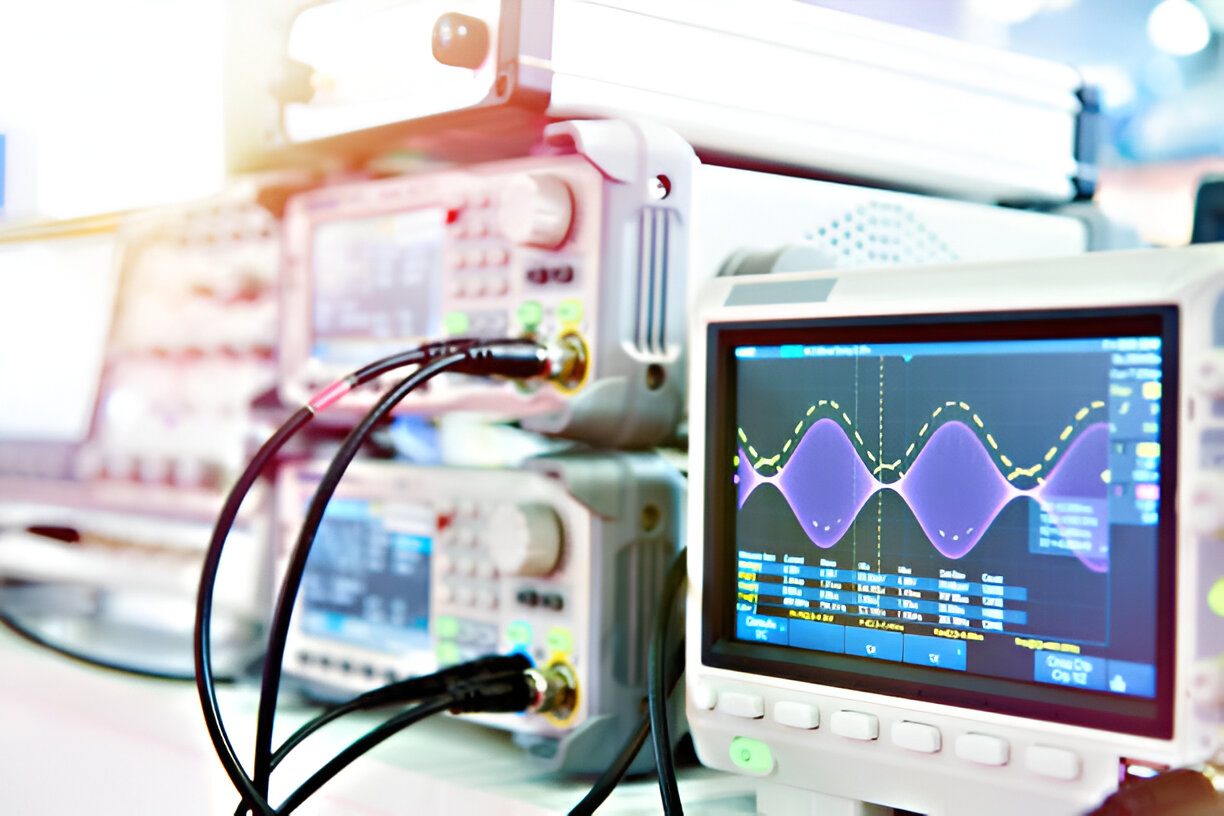
The economic significance of electronic precision instruments extends beyond their utility in manufacturing; they also play a crucial role in economic growth and development. These instruments are foundational in various sectors, including healthcare, aerospace, automotive, and telecommunications, influencing productivity, job creation, and technological advancement.
Electronic precision instruments contribute to economic efficiency by improving production processes across industries. By providing accurate measurements and data, these instruments enable companies to minimize waste, reduce operational costs, and enhance product quality. For instance, precision instruments in the automotive sector ensure that components meet strict safety and performance standards. This not only helps companies avoid costly recalls but also fosters consumer confidence, which is essential for sustained economic growth.
Furthermore, the use of electronic precision instruments promotes competitiveness in the global market. In an era where businesses are often vying for international contracts, the ability to deliver high-quality products quickly and efficiently can make or break a company. Countries that prioritize precision measurement technologies in their industries are better positioned to compete globally. This competitive edge leads to increased exports, which in turn contributes to a favorable trade balance and boosts national economic growth.
The impact of electronic precision instruments also extends to job creation. As industries adopt advanced technologies that rely on precision measurement, the demand for skilled workers who can operate and maintain these instruments increases. This creates new job opportunities in fields such as engineering, manufacturing, and quality control. A skilled workforce not only enhances productivity but also contributes to overall economic stability and growth.
Moreover, the development and production of electronic precision instruments themselves represent a significant segment of the economy. Companies that manufacture these instruments contribute to technological innovation and provide employment opportunities. As the demand for precision instruments grows, it spurs investment in research and development, further driving economic growth.
In conclusion, electronic precision instruments are vital for economic success. They enhance production efficiency, support global competitiveness, and create job opportunities while also driving technological innovation. As economies around the world continue to evolve, the importance of these instruments will remain a key factor in shaping future economic landscapes.