Introduction:
Chemical fertilizers play a pivotal role in modern agriculture, revolutionizing crop cultivation and enhancing global food production. This article delves into the composition, types, and benefits of chemical fertilizers, shedding light on their significant contributions to sustainable agriculture.
Composition and Types:
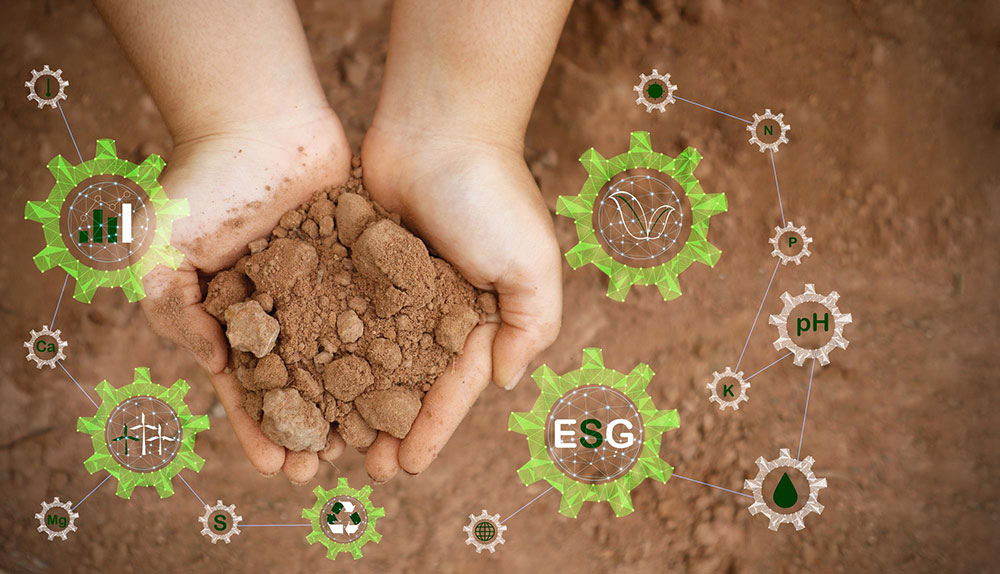
Chemical fertilizers typically consist of three essential nutrients: nitrogen (N), phosphorus (P), and potassium (K), often referred to as NPK. These nutrients are crucial for plant growth, with each playing a specific role in various developmental stages. Nitrogen aids in leaf and stem development, phosphorus supports root growth, and potassium enhances overall plant health.
There are different types of chemical fertilizers, including:
1. *Nitrogen-Based Fertilizers:* Rich in nitrogen, these fertilizers are ideal for promoting lush foliage and vegetative growth.
2. *Phosphorus-Based Fertilizers:* Focused on root development and flowering, these fertilizers are essential for early plant stages and flowering plants.
3. *Potassium-Based Fertilizers:* Enhancing overall plant vigor, potassium fertilizers contribute to disease resistance and stress tolerance.
Benefits and Impact:
Chemical fertilizers offer several advantages, including increased crop yield, accelerated growth rates, and improved nutrient availability. Their precise nutrient composition allows farmers to address specific deficiencies in soil, promoting optimal plant nutrition. However, it’s crucial to use them judiciously to prevent environmental impacts such as nutrient runoff.
Conclusion:
As we navigate the complexities of modern agriculture, chemical fertilizers emerge as indispensable tools for farmers worldwide. Striking a balance between increased productivity and environmental sustainability remains a key challenge, emphasizing the need for responsible fertilizer use.