The machinery industry is a cornerstone of modern industrialization and economic growth, playing a pivotal role across various sectors, from manufacturing and construction to agriculture and energy. Machinery provides the tools, equipment, and technology necessary for production processes, enabling industries to operate efficiently and at scale. Its importance is deeply embedded in the global supply chain, where machinery supports the automation and precision needed to meet the high demand for goods and services.
One of the most significant impacts of the machinery industry is its contribution to increasing productivity. By automating tasks that were once manual and labor-intensive, machinery accelerates production, reduces human error, and improves output quality. This boosts the overall efficiency of industries like automotive, aerospace, and electronics, where precision and speed are crucial. Additionally, advancements in machinery, particularly with the rise of smart and digital technologies, have led to more sustainable production processes, reducing energy consumption and minimizing waste.
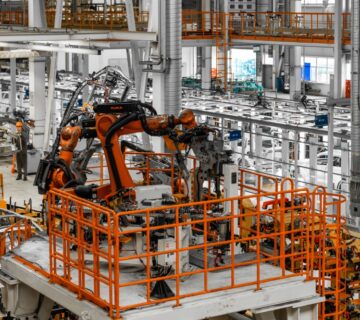
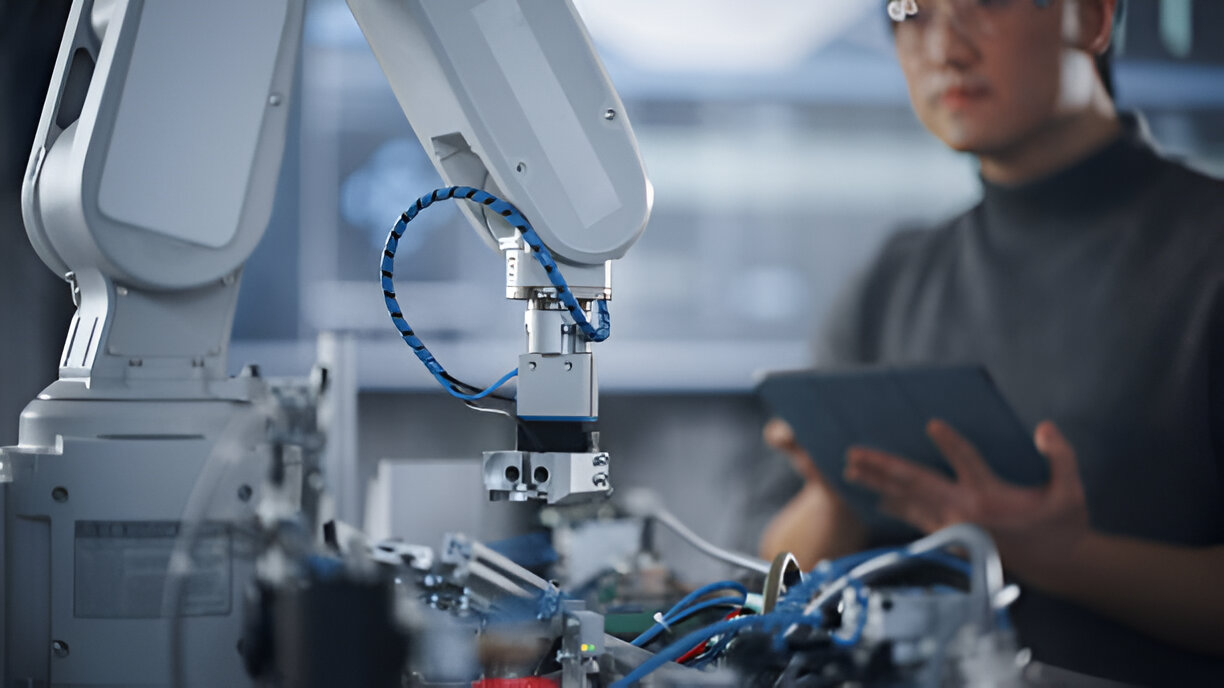
The machinery industry also plays a key role in driving innovation. New technologies, such as robotics, artificial intelligence, and Internet of Things (IoT), are being integrated into modern machinery to enhance functionality and create intelligent systems capable of performing complex tasks. This has revolutionized industries like manufacturing, where smart factories equipped with advanced machinery optimize production, reduce costs, and improve safety for workers.
Economically, the machinery industry is a significant contributor to global trade and employment. It supports millions of jobs, from engineers and technicians to operators and maintenance staff, while also fueling the demand for raw materials and related services. The sector’s growth is closely linked to infrastructure development, as machinery is critical for construction, mining, and energy projects. This, in turn, drives the expansion of economies and facilitates the development of essential infrastructure such as roads, bridges, and power plants.
In conclusion, the machinery industry is indispensable to modern industrial practices, shaping the efficiency, sustainability, and innovation of nearly every sector. Its impact on productivity, technological advancement, and economic growth will continue to be a driving force as industries evolve in the face of global challenges and opportunities.